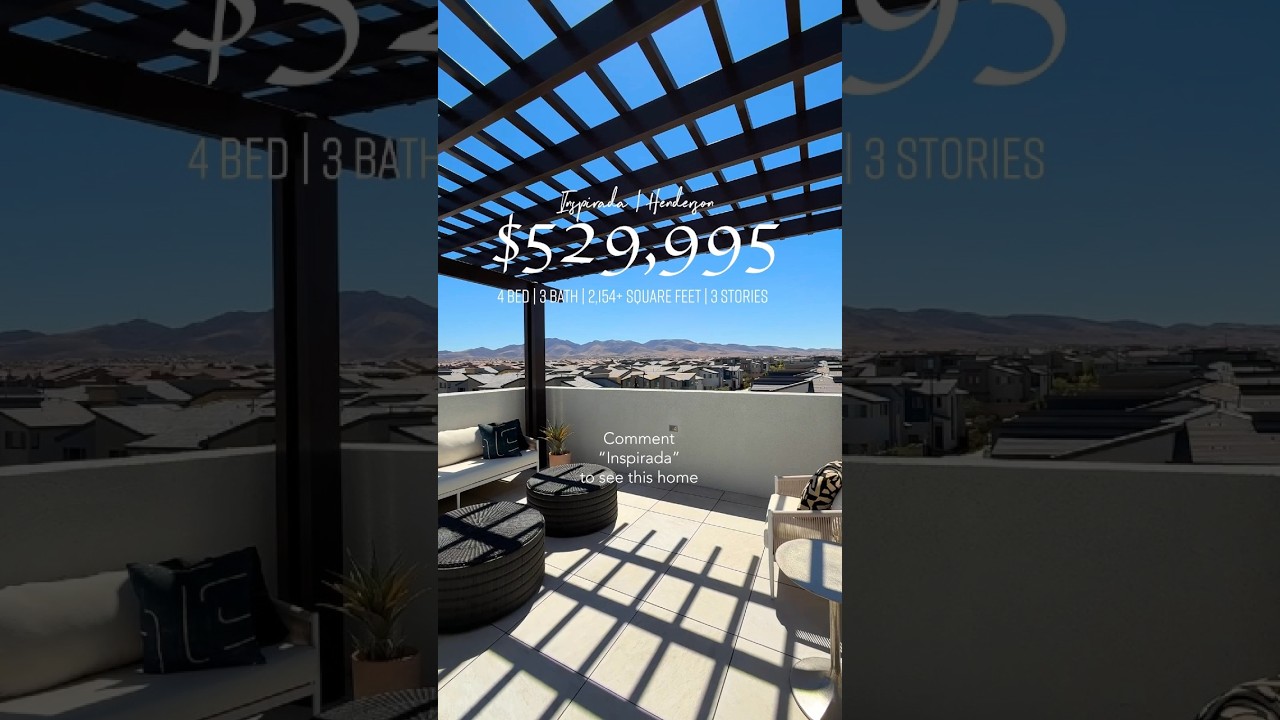
How to Market and Sell a Studio Condo: A Realtor’s Guide Inspired by The DiRaffaele Group
Selling a Studio Condo: The Complete Marketing Playbook (That Works)
Studio condos can be some of the most efficient properties to own—and some of the most misunderstood to market. They’re compact by design, which means buyers judge them quickly: Does it feel bigger than it is? Can I picture living here? Is the building and HOA solid?
This article is inspired by short-form listing content like the kind produced by The DiRaffaele Group (Joe DiRaffaele | eXp Realty S.0033912 and Emily DiRaffaele | eXp Realty S.0200104)—the quick “discover this studio” style that aims to stop the scroll and drive showings. Because the referenced YouTube Short does not provide a transcript, what follows is a fresh, original guide that synthesizes widely proven listing practices into a step-by-step approach you can apply to any studio condo.
Whether you’re a homeowner preparing to list or an agent refining your studio strategy, here’s how to position a studio condo to win attention, offers, and appraisals.
---
Why Studios Require a Different Listing Strategy
Studios don’t sell like two-bedroom condos. The buyer pool may include:
- First-time buyers seeking affordability and low maintenance
- Downsizers prioritizing location and amenities over square footage
- Investors focused on rentability and HOA rules
- Professionals who want a “lock-and-leave” home near work or entertainment
Because square footage is limited, value is created through presentation, building quality, and lifestyle storytelling. Your marketing needs to communicate function and feel—not just measurements.
---
Step 1: Set a Pricing Strategy That Matches Studio Buyer Behavior
Pricing a studio condo is rarely as simple as “price per square foot.” Studios can have pricing anomalies based on:
- Building amenities (gym, pool, concierge, security)
- HOA strength and rules (especially rental restrictions)
- View, floor height, parking, and storage
- Renovation level and appliance package
Practical pricing framework:
- Pull the most recent studio comps in the same building (if available).
- Expand to similar buildings with comparable amenities and HOA profiles.
- Adjust heavily for parking, view, and condition—buyers do.
- Watch days on market: studios that linger often suffer from either poor photos or pricing friction.
For a seller, it’s worth understanding how appraisers think about condo valuation and adjustments. A useful reference is the U.S. consumer guidance on appraisals from the Consumer Financial Protection Bureau.
---
Step 2: Pre-List Prep—Create “Livable Space,” Not Empty Space
Studios feel bigger when they’re staged to show zones. That’s the key difference: you’re not decorating; you’re demonstrating how the room works.
Staging zones that buyers want to see
- Sleep zone: a bed or murphy bed setup with nightstands
- Living zone: a small sofa (not a sectional) and a light coffee table
- Work zone: a compact desk or wall-mounted workstation
- Dining zone: bistro table or breakfast bar stools
High-ROI updates for studios
- Bright, uniform paint (warm white or soft greige)
- Modern light fixtures (avoid harsh “apartment” lighting)
- Updated cabinet hardware
- Crisp window treatments to maximize natural light
- Deep cleaning, grout refresh, and odor control
If the studio is tenant-occupied, establish a clear cleaning and showing protocol early. Studios show best when they’re spotless because there’s nowhere for clutter to hide.
---
Step 3: Photography and Video—Your First Showing Happens Online
Short-form video works exceptionally well for studios because it can prove flow: entry → kitchen → living/sleep zone → bathroom → view/amenities.
Photo essentials for studio listings
- Shoot wide, but don’t distort (buyers can tell)
- Keep verticals straight (professional composition matters)
- Lead with the strongest hook image: view, kitchen, or the cleanest wide shot
- Include the bathroom and closet/storage—studios live or die on storage
Video essentials
- Start with a 1–2 second hook: the view, a bright window wall, or the amenity deck
- Use a smooth walkthrough that shows scale (not just close-ups)
- Add simple, factual overlays: square footage, HOA, parking, key amenities
If you’re hiring a photographer, look for someone who follows recognized real estate media standards. For broader context on why high-quality imagery affects buyer engagement, the National Association of REALTORS® (NAR) publishes ongoing research and consumer insights.
---
Step 4: Write a Listing Description That Sells the Lifestyle (and Answers Objections)
A strong studio condo description does three things:
- Creates a visual of everyday living
- Highlights function (zones, storage, layout)
- Pre-handles common questions (parking, HOA, amenities, laundry)
Example positioning language (use ethically and accurately)
- “Smart layout with defined living and sleeping zones”
- “Natural light throughout and ample storage for a studio”
- “Secure building with resort-style amenities”
- “Ideal for a primary residence, second home, or low-maintenance lifestyle”
Avoid fluff like “cozy” unless it’s paired with tangible benefits. Studio buyers want confidence, not cute phrasing.
---
Step 5: Market Beyond the MLS—Studios Benefit from Social Distribution
Studios are perfect for:
- YouTube Shorts / Instagram Reels walkthroughs
- TikTok “layout tour” content
- Building/amenity spotlights
- Neighborhood clips (coffee, parks, transit access)
The goal is to reach buyers who aren’t actively searching MLS filters yet, but will act when a studio matches their budget and lifestyle.
Pro tip: build a “micro-campaign”
Instead of one post, run 7–10 days of content:
- Day 1: 15-second walkthrough
- Day 2: amenities montage
- Day 3: “3 reasons this studio lives large”
- Day 4: neighborhood highlights
- Day 5: parking/storage explanation
- Day 6: open house reminder
- Day 7: price/availability update
This mirrors the way people actually shop: they need multiple touches to convert.
---
Step 6: Open Houses and Showings—Studios Need “Perfect Conditions”
Because studios are small, a showing feels crowded quickly. Make it easy for buyers to imagine living there.
Showing checklist
- Lights on, blinds open (maximize brightness)
- Temperature comfortable (heat/cool matters in small spaces)
- Minimal personal items—clear countertops and bathroom surfaces
- One signature scent only (preferably neutral/clean)
- Soft background music at low volume (optional)
For open houses, consider booking timed entry windows if the studio is very compact.
---
Step 7: HOA and Condo Docs—Don’t Let Paperwork Kill Your Deal
Condo transactions can slow down due to document delays or buyer concerns about HOA reserves, litigation, or rental caps.
To reduce friction:
- Order HOA docs early (ask your agent what’s standard in your area)
- Be ready to explain monthly dues: what’s included (water, trash, security, amenities)
- Disclose special assessments if applicable
For consumers who want to understand condo governance, reserve studies, and HOA financial signals, HUD provides helpful general housing resources.
---
Step 8: Negotiation Strategy—Studios Often Win with Clean Terms
Studios can attract both owner-occupants and investors. That means you may see:
- Cash offers with faster close timelines
- Financing offers with appraisal/HOA scrutiny
- Requests for seller-paid closing costs
A strong counter strategy often emphasizes:
- Clean closing timeline
- Proof of funds or strong pre-approval
- Limited repair demands (especially if the unit is well-prepped)
If you’re comparing offers, evaluate net proceeds and certainty of closing, not just price.
---
Common Mistakes That Cause Studio Listings to Sit
- Dark photos or poor angles that make the unit feel smaller
- Overpricing based on larger one-bed comps
- Ignoring storage in marketing (buyers assume none exists)
- Clutter that eliminates the sense of “zones”
- Incomplete HOA info that triggers buyer hesitation
Studios sell best when the marketing communicates clarity: layout, light, building quality, and monthly cost transparency.
---
Final Thoughts: The Studio Advantage—If You Market It Correctly
A studio condo isn’t “less than” a larger home—it’s a different product with a different buyer mindset. When you stage for zones, price with precision, and market with short-form video plus strong listing fundamentals, studios can generate serious demand.
If you’re considering selling a studio, the fastest path to a strong outcome is treating the listing like a campaign: prep, media, distribution, and documentation—all aligned.
---
Source video: [Watch "Joe DiRaffaele | eXp Realty S.0033912
Emily DiRaffaele | eXp Realty S.0200104
Discover this stu" on YouTube](https://www.youtube.com/shorts/fP9uvIMvGVU) by DiRaffaele Youtube Videos