Meet Joe & Emily DiRaffaele (eXp Realty): What to Look for in a Modern Real Estate Team
Joe DiRaffaele | eXp Realty S.0033912 and Emily DiRaffaele | eXp Realty S.0200104: A Client-First Approach to Real Estate
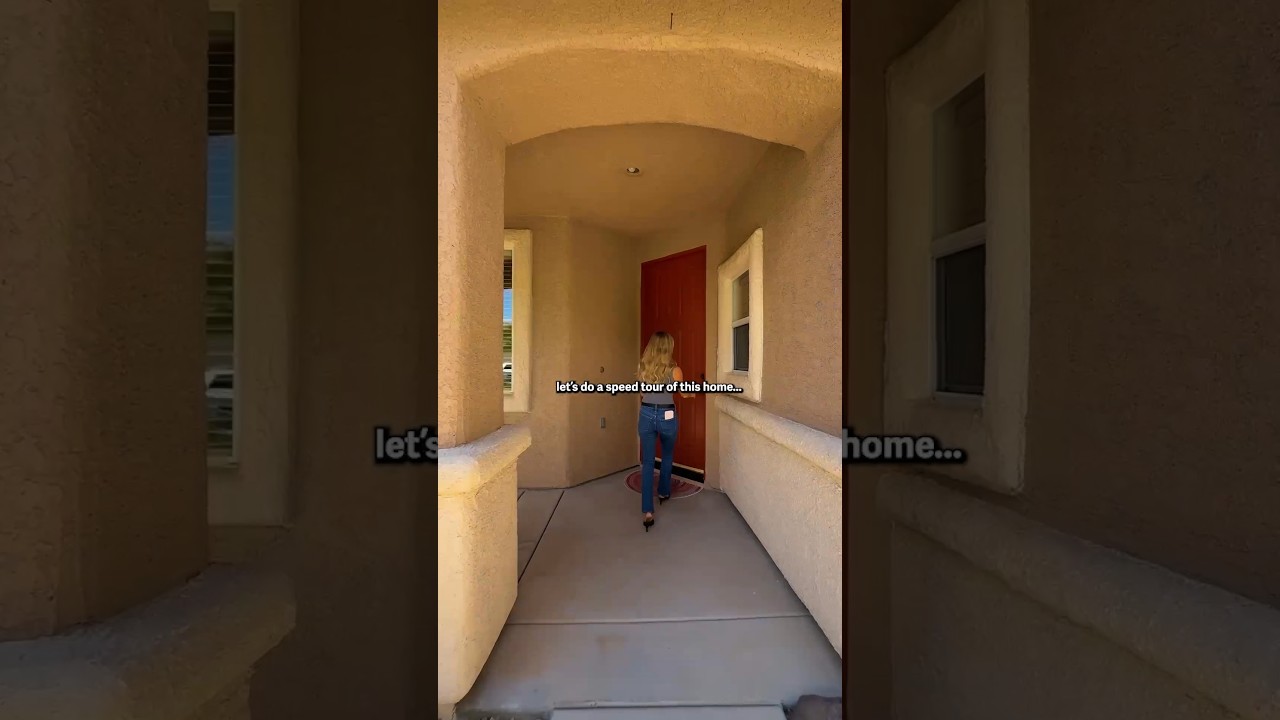
Short-form videos from real estate professionals often have a simple purpose: introduce the people behind the brand and invite viewers to connect. The DiRaffaele Group’s YouTube short featuring Joe DiRaffaele (eXp Realty S.0033912) and Emily DiRaffaele (eXp Realty S.0200104) signals exactly that—an approachable team presence, an open invitation to talk, and a reminder that real estate is ultimately a relationship business.
Because the video is brief and doesn’t provide a full transcript, this article takes the spirit of that introduction—accessibility, professionalism, and service—and expands it into a practical guide: what a modern real estate team should offer you, what questions to ask before you hire an agent, and how to evaluate whether a team’s process matches your needs.
> Note: Licensing identifiers (like S.0033912 and S.0200104) are typically used to promote transparency and professionalism. Always verify licensure and standing in your state.
---
Why an agent introduction matters more than ever
In today’s market, consumers can browse listings, estimate home values, and even start loan applications online. Yet the most important parts of a transaction still require expert guidance:
- Pricing and strategy (especially in changing markets)
- Negotiation and risk management
- Contract timelines and contingencies
- Vendor coordination (lenders, title, escrow, inspections, appraisals)
- Clear communication under pressure
A strong agent intro—like the DiRaffaele Group’s short—should cue that you’re not just hiring a person who “opens doors.” You’re hiring a project manager, negotiator, marketer, and advisor.
---
What to expect from a modern real estate team
Whether you’re buying or selling, a top-performing team typically blends human expertise with streamlined systems. Here’s what that looks like in practice.
1) Clear communication standards
One of the most common complaints in real estate is poor communication. Before you choose an agent, ask:
- How quickly do you respond (same day, within hours)?
- Do you prefer text, phone, email, or all three?
- Who is my day-to-day contact—Joe, Emily, a coordinator, or a combination?
- How often will I receive updates?
A team structure can be an advantage here: while one person is in showings or negotiations, another can keep the client loop tight.
2) A real marketing plan (not just “we’ll put it on Zillow”)
For sellers, exposure matters—but positioning matters more. A strong listing strategy typically includes:
- Pricing analysis using recent comparable sales (not just automated estimates)
- Professional photography and compelling listing copy
- Distribution across major portals and brokerage networks
- Social media promotion and targeted outreach to likely buyer pools
- Open-house or private showing strategy aligned with your property and market
While popular portals help buyers discover homes, listings are ultimately syndicated through MLS systems and brokerage feeds. Understanding how that ecosystem works helps you evaluate marketing claims.
For a deeper overview of how MLS data influences listings, see the National Association of REALTORS® (NAR) consumer resources: https://www.nar.realtor/
3) Data-informed pricing and offer strategy
Buyers and sellers both benefit from realistic expectations. Professionals should be able to explain, in plain language:
- What recent comps suggest (and why certain comps are more relevant)
- How days on market and supply levels affect pricing power
- What concessions are common (closing costs, rate buydowns, repairs)
- How financing type impacts offer strength
For broader market context and housing data, the Federal Reserve Economic Data (FRED) database is a reputable reference: https://fred.stlouisfed.org/
4) Negotiation that protects your outcomes (not just “getting a deal”)
Negotiation isn’t only about price. It’s about the entire risk-and-reward package:
- Contingencies (inspection, appraisal, financing, sale of another home)
- Repair requests and credits
- Closing timelines and occupancy terms
- Earnest money and default protections
A capable agent should walk you through trade-offs and consequences, not pressure you into one-size-fits-all tactics.
5) A transaction process that reduces surprises
Real estate has many moving parts, and surprises tend to happen when there isn’t a clear workflow. Look for:
- A written timeline from contract to close
- Inspection planning and interpretation support
- Appraisal preparation (especially for unique homes)
- Coordination with escrow/title and your lender
Consumers can learn more about settlement basics and the closing process from the Consumer Financial Protection Bureau (CFPB): https://www.consumerfinance.gov/owning-a-home/
---
If you’re selling: a smarter way to evaluate your agent
When interviewing a listing agent or team, go beyond “How much is my home worth?” and ask questions that reveal competence.
Questions sellers should ask
- What is your pricing strategy—and what data supports it?
- What will you do in the first 7 days to drive demand?
- How do you handle multiple offers vs. a slow start?
- What improvements or repairs are worth it—and what isn’t?
- How will you screen buyers and reduce fallout risk?
Green flags
- They explain trade-offs and likely scenarios
- They bring a clear plan (not vague promises)
- They prepare you for inspection/appraisal realities
- They communicate proactively
---
If you’re buying: what a great team does differently
The best buyer representation is part strategy, part protection.
What to look for
- Neighborhood expertise and honest guidance (even when it means advising you not to buy a property)
- Offer coaching that fits your risk tolerance
- Inspection support to help you understand severity vs. cosmetic issues
- Financing coordination so your offer is aligned with lender timelines
You can also strengthen your own position by understanding mortgage options and shopping responsibly. A solid starting point for consumer-friendly guidance is Freddie Mac’s mortgage education resources: https://myhome.freddiemac.com/
---
Why licensing transparency matters
The DiRaffaele Group’s inclusion of licensing numbers in the video title is more than a formality—it’s a cue to consumers to verify credentials.
Here’s what you should do when considering any agent:
- Confirm they’re active and in good standing with your state’s licensing body
- Ask how long they’ve been practicing and what their recent transaction mix looks like
- Confirm brokerage affiliation and any specialty designations
If you’re curious about eXp Realty as a brokerage and its model, you can learn more directly here: https://www.exprealty.com/
---
A simple checklist to choose the right real estate partner
Use this quick checklist when deciding whether a team like Joe and Emily DiRaffaele is the right fit:
- Responsiveness: Clear service expectations and fast communication
- Strategy: A documented plan for your goals (buying or selling)
- Market knowledge: Comps, trends, and neighborhood nuance
- Negotiation: Confidence plus clarity around risk
- Process: Timelines, vendor coordination, and accountability
- Trust: They educate, don’t pressure
---
Final thoughts
A short video introduction can’t show every detail of how a team operates—but it can signal professionalism, approachability, and an invitation to start a conversation. If you’re considering Joe and Emily DiRaffaele of eXp Realty, treat that intro as step one: schedule a consult, ask process-based questions, and evaluate the clarity of their strategy.
When you choose the right real estate partner, you don’t just get help with paperwork—you get a plan, an advocate, and fewer surprises from search to closing.
---
Source video: [Watch "Joe DiRaffaele | eXp Realty S.0033912
Emily DiRaffaele | eXp Realty S.0200104
Join us for a sup" on YouTube](https://www.youtube.com/shorts/VmG4RCqE02g) by DiRaffaele Youtube Videos