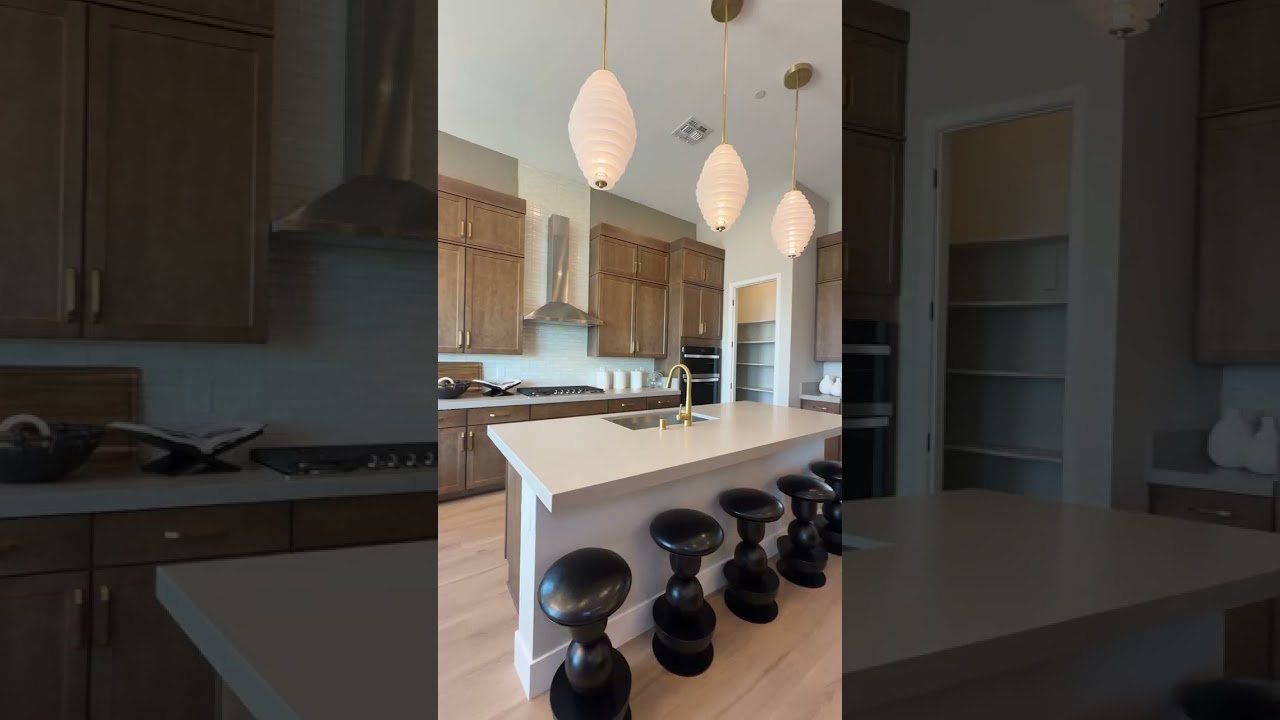
Modern Finishes and Thoughtfully Designed Spaces: A Practical Guide to Creating a Contemporary Home
Modern Finishes and Thoughtfully Designed Spaces: A Practical Guide to Creating a Contemporary Home
Modern interiors aren’t defined by one “look.” The most compelling contemporary homes combine clean, high-quality finishes with intentional space planning—so every room feels cohesive, functional, and calm. Inspired by the idea of modern finishes and thoughtfully designed spaces, this guide breaks down the decisions that make a home feel current without becoming trendy (and dated) a few years later.
Whether you’re building new, remodeling, or refreshing a few rooms, the winning formula is consistent: choose a simple, durable material palette and design around how you actually live.
---
1) Start with the plan, not the palette
It’s tempting to begin with tile samples or paint swatches. But thoughtful design starts with flow:
- How do people enter the home? Create a landing zone for shoes, bags, and coats.
- Where does daily life concentrate? Kitchens and family rooms should support cooking, lounging, homework, and entertaining.
- What needs to be hidden? Storage, utilities, and clutter control are the secret to a “clean” modern aesthetic.
A contemporary home feels effortless when circulation routes are clear and rooms have a purpose. If you’re remodeling, map what works today and what doesn’t (pinch points, awkward doors, wasted corners). Then align your finishes to support that plan.
Tip: When in doubt, invest first in layout improvements (door swings, built-ins, lighting plans), then allocate remaining budget to premium surfaces.
---
2) Build a cohesive material palette (and repeat it)
Modern finishes look best when they’re restrained. Instead of a new material in every room, choose a small set and repeat it in different proportions.
A strong contemporary palette typically includes:
- Wood (warmth): white oak, walnut, or ash tones
- Stone or stone-look surfaces (solidity): quartz, porcelain slab, or honed natural stone
- Metal (definition): brushed nickel, matte black, champagne bronze, or mixed metals used intentionally
- Paint (light control): soft whites, warm grays, greiges, or moody accents
To keep the home from feeling flat, aim for contrast in texture rather than constant color changes—think matte walls with lightly reflective tile, or a quiet quartz counter paired with a tactile backsplash.
For guidance on balancing color and light reflectance, Sherwin-Williams’ resources can help you evaluate undertones and sheen levels before you commit.
---
3) Modern finishes that look premium (without being flashy)
Flooring: wide-plank, consistent, and durable
Modern homes often use wide-plank wood or high-quality engineered wood for continuity. If you need extra durability (kids, pets), consider premium luxury vinyl or porcelain tile that convincingly mimics wood.
Design rule: Keep transitions minimal. Using the same flooring across main living areas instantly elevates the feel.
Walls: smooth, intentional, and easy to maintain
Contemporary interiors usually favor:
- Smooth drywall (or subtle texture)
- Simple, crisp trim profiles
- Statement walls used sparingly (slatted wood, microcement look, or large-format tile)
Cabinetry: clean lines with functional upgrades
Modern cabinetry isn’t only about slab doors. It’s about alignment, hardware discipline, and smart storage:
- Full-height uppers where appropriate
- Integrated or minimal pulls
- Deep drawers for pots and pantry items
- Interior organizers to reduce visual clutter
Countertops: choose finish based on lifestyle
Quartz remains popular for its durability, while natural stone (like marble) offers unmatched character but requires more care.
If you want the look of stone with resilience, explore engineered and porcelain options. For an overview of performance and maintenance differences, the National Kitchen & Bath Association (NKBA) offers consumer-friendly planning guidance.
---
4) The kitchen: where thoughtful design matters most
A modern kitchen succeeds when it’s beautiful in photos and efficient in real life.
Prioritize the working zones
Instead of focusing only on the “triangle,” think in zones:
- Prep zone (sink, trash, cutting surface)
- Cooking zone (range, oils/spices, utensils)
- Storage zone (pantry, fridge, dry goods)
- Serving zone (island seating, beverage station)
Modern finish moves that feel intentional
- Large-format backsplash tile or full-height slab for a clean, uninterrupted surface
- Under-cabinet lighting to remove shadows and highlight finishes
- Integrated appliances or consistent appliance finishes for visual continuity
- A single standout element (pendants, hood, or island color) rather than multiple competing “features”
If you’re planning clearances, aisle widths, and seating spacing, consult widely used kitchen planning standards such as those summarized by NKBA.
---
5) Bathrooms: modern, calm, and built to last
The most successful modern bathrooms feel like boutique hotels—simple, layered, and easy to maintain.
Shower and tile choices
- Use larger tiles where possible to reduce grout lines
- Choose matte or honed finishes for a softer, contemporary look
- Consider a linear drain for a streamlined floor pitch (where appropriate)
Vanity and mirror composition
Modern bathrooms look best when elements are “composed”:
- A floating vanity can add lightness
- A wider mirror (or paired mirrors) increases the sense of space
- Wall-mounted faucets can work beautifully, but ensure correct rough-in and long-term service access
For ventilation and moisture control, follow best practices recommended by organizations like the U.S. Environmental Protection Agency (EPA), especially regarding indoor air quality and humidity management.
---
6) Lighting: the quiet hero of modern design
Even premium finishes can look underwhelming in poor light. Thoughtful design uses layered lighting:
- Ambient: recessed lighting or ceiling fixtures for general illumination
- Task: under-cabinet strips, vanity lighting, reading lights
- Accent: wall washers, art lights, toe-kick lighting
Make light temperature consistent
A common mistake is mixing color temperatures across bulbs. Choose a consistent range (often 2700K–3000K for residential) and stick to it for a cohesive tone.
For energy efficiency and bulb guidance, the U.S. Department of Energy’s lighting resources are a reliable reference.
---
7) Thoughtful details that make a home feel “designed”
Modern interiors are often minimal, which means details carry more weight. A few high-impact upgrades:
- Aligned switch plates and hardware finishes (don’t mix randomly)
- Solid core doors for sound control and quality feel
- Built-in storage (mudroom benches, media walls, pantry systems)
- Consistent trim heights and casing profiles
- Window treatments planned early so you can hide pockets or mount cleanly
If sustainability is part of your goals, choosing low-VOC paints and healthy materials can improve comfort and indoor air quality. The U.S. Green Building Council (USGBC) offers approachable education on green building principles.
---
8) How to keep modern design from becoming a trend
“Modern” should feel timeless, not like a snapshot of a single year. To avoid regret:
- Keep big-ticket items neutral (flooring, cabinets, tile)
- Express personality in swappable elements (paint, rugs, art, pillows)
- Use trends as accents: a bold light fixture, a special backsplash, or a statement color on one island
A thoughtfully designed home doesn’t rely on constant novelty. It relies on proportion, function, restraint, and high-quality materials.
---
A simple decision framework (use this before you buy)
When evaluating any finish—tile, flooring, paint, hardware—ask:
- Does it support how we live here daily?
- Is it consistent with the home’s overall palette?
- Will it look good under our lighting (day and night)?
- Can we maintain it easily for years?
- Does it add calm or visual noise?
If you can answer yes to most of these, you’re not just choosing modern finishes—you’re building a modern experience.
---
Final takeaway
Modern finishes create the first impression, but thoughtful design determines whether a home feels comfortable, functional, and cohesive. Pair a restrained palette with smart layout choices, layered lighting, and storage that keeps everyday life organized—and you’ll end up with a contemporary space that still feels great years from now.
---
Source video: Watch "Modern finishes, and thoughtfully designed spaces" on YouTube by DiRaffaele Youtube Videos