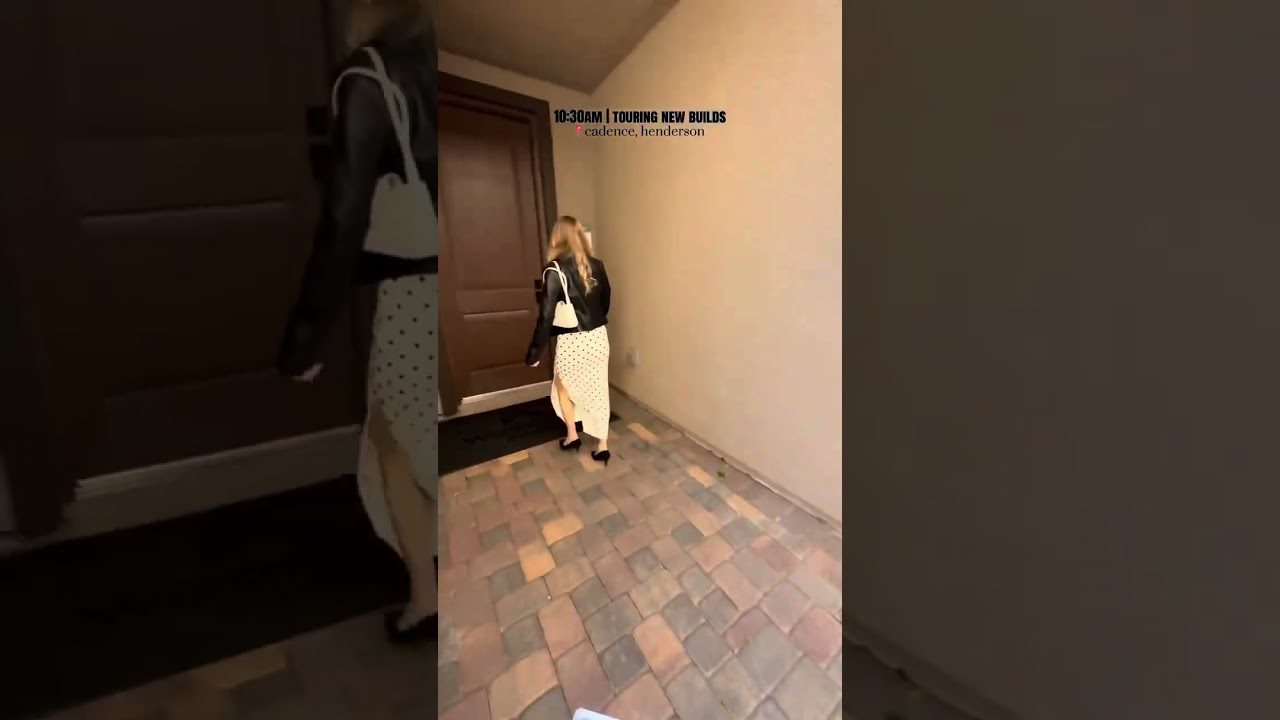
What It’s Really Like Being a Vegas Realtor: The Pace, the People, and the Reality Behind the Hype
What It’s Really Like Being a Vegas Realtor
Las Vegas real estate has a reputation that’s hard to separate from the city itself: fast-moving, high-energy, and full of big expectations. But being a Vegas realtor isn’t just showing homes with Strip views or closing deals with a celebratory dinner. It’s a career defined by shifting market cycles, a steady stream of newcomers, intense competition, and a daily workload that’s equal parts sales, strategy, counseling, and logistics.
If you’re thinking about hiring a Las Vegas real estate agent—or becoming one—here’s a clear-eyed look at what the job actually entails, what makes the Vegas market different, and what strong agents do to create consistent results.
The Las Vegas market moves with the city
Las Vegas is uniquely sensitive to macro trends: employment swings, interest rates, tourism, construction pipelines, and investor behavior can all show up quickly in pricing and demand. That means a Vegas realtor has to stay sharper than “watch the comps.” They need to understand what’s pushing the market right now.
A few realities that shape the day-to-day:
- Relocation is constant. Las Vegas continues to attract buyers moving for affordability (relative to some coastal cities), lifestyle, climate, and taxes.
- New construction is a major factor. In many neighborhoods, builder incentives and inventory can change buyer behavior overnight.
- Investors and second-home buyers matter. Depending on interest rates and short-term rental rules, investor activity can heat up or cool down rapidly.
For current market context, many agents track data sources like the Federal Reserve’s rate decisions and leading housing indicators.
The schedule is not 9-to-5 (and it’s not glamorous)
A common misconception: being a realtor is mostly flexible, social, and “easy money.” The truth is that flexibility usually means your calendar belongs to your clients.
A typical week can include:
- Early-morning lender calls and contract work
- Midday showings across sprawling parts of the valley
- Afternoon negotiations with agents, builders, appraisers, and escrow
- Evenings spent writing offers, reviewing disclosures, or calming nerves
- Weekends packed with open houses and back-to-back tours
Las Vegas is geographically spread out. Driving time is real, and good agents plan routes like a dispatcher—especially when clients are visiting for only a day or two and want to see “everything.”
You’re not just selling homes—you’re managing risk
In practice, the job is less about “selling” and more about helping clients make defensible decisions under uncertainty.
For buyers, the risk points often include:
- Overpaying in a competitive pocket
- Missing neighborhood-specific issues (HOAs, rental restrictions, road noise, future development)
- Appraisal gaps and financing surprises
- Underestimating insurance, taxes, and monthly carrying costs
For sellers, the risk points often include:
- Mispricing (too high leads to stale listings; too low leaves money on the table)
- Weak preparation (photos, staging, repairs, cleanliness)
- Poor offer evaluation (price isn’t the only term that matters)
- Inspection negotiations that spiral
A seasoned Las Vegas realtor operates like a project manager: timelines, vendors, disclosures, documentation, negotiation, and contingency planning.
The “Vegas buyer” is not one buyer type
Because Las Vegas is a relocation-heavy market, you meet many buyer profiles in the same week:
- First-time buyers trying to balance budget and location
- Families focused on schools, parks, and commuting patterns
- Remote workers prioritizing home offices and internet reliability
- Luxury clients shopping lifestyle, privacy, and amenities
- Investors modeling cash flow and long-term appreciation
- Short-notice movers who need a home fast
This mix is why the best agents have systems: neighborhood cheat sheets, builder incentive comparisons, vendor lists, and a streamlined showing/offer process.
If you’re evaluating neighborhoods, it helps to pair local advice with objective resources like school boundary and performance data.
Negotiation in Vegas: it’s fast, and it’s strategic
Negotiation is where a Vegas realtor earns their keep. In a market that can turn quickly, the “right” strategy depends on the micro-moment:
- When inventory is tight, buyers may need speed, clean terms, and strong financing.
- When inventory rises, sellers may need concessions, price corrections, and better marketing.
- With new construction, incentives can be complex—rate buydowns, design credits, closing cost contributions, and lot premiums all play a role.
A key difference in Vegas is that builders can be a major competitor to resale homes. Strong agents know how to compare resale value versus builder incentives and timelines, and how to protect clients during the build process.
The real work happens after you go under contract
Many consumers think the job ends once an offer is accepted. In reality, that’s when the high-stakes portion begins.
A capable agent will typically:
- Coordinate inspections and interpret findings without panic
- Negotiate repairs/credits with documentation
- Monitor appraisal and help challenge issues with evidence
- Keep financing on track with the lender
- Ensure escrow/title timelines are met
- Manage final walk-through expectations
This is also where professionalism matters most: calm communication, clear documentation, and proactive updates prevent deals from collapsing.
For consumers curious about the broader process and consumer protections, the Consumer Financial Protection Bureau provides helpful guidance on mortgages and closing.
Marketing a Las Vegas listing takes more than a sign
Las Vegas is visually driven—and competition is intense. A listing that looks “average” online often gets treated as average, regardless of its potential.
Effective Vegas listing strategies often include:
- Professional photography (and video when it makes sense)
- Strong pricing based on current comparable sales and active competition
- Clear showing instructions (access matters)
- A plan for open houses and agent outreach
- Honest pre-list guidance on repairs, cleaning, and presentation
In many cases, small improvements—lighting, paint touch-ups, landscaping refresh—can materially change perceived value.
Compliance and ethics are part of the job
Real estate is regulated for a reason: consumers are making one of the largest financial decisions of their lives.
A reputable Vegas realtor should be fluent in:
- Fair housing rules
- Disclosure requirements
- Contractual timelines and fiduciary duties
- Local MLS rules and advertising standards
If you want to verify licensing and regulatory guidance in Nevada, you can reference the Nevada Real Estate Division.
The emotional side is real (and constant)
Homes aren’t just numbers. People buy and sell because of life changes: marriage, divorce, babies, job shifts, health issues, financial pressure, loss, opportunity.
A large part of “realtor life” is emotional management:
- Helping anxious buyers make rational decisions
- Keeping sellers grounded when offers don’t match expectations
- Navigating tense inspection negotiations
- Staying steady when timelines get tight
The best agents combine empathy with boundaries. They advocate strongly, but they don’t create drama.
What to look for in a great Las Vegas realtor
Whether you’re relocating or moving across town, the agent you choose can change your outcome.
Consider asking:
- How do you price homes and justify it with data?
- What’s your negotiation approach in today’s market?
- How do you communicate—text, call, email—and how often?
- What’s your plan when inspections or appraisals become an issue?
- Which neighborhoods do you specialize in, and why?
You can also explore housing market research and trends through organizations like the National Association of REALTORS®.
The bottom line
Being a Vegas realtor means operating in a market that’s dynamic, competitive, and deeply tied to economic shifts—while guiding clients through a process that’s financial and emotional. The job isn’t glamorous most days. It’s detailed, deadline-driven work that requires communication skills, negotiation instincts, local knowledge, and the discipline to stay consistent when the market changes.
For buyers and sellers, that’s also the opportunity: when you work with an agent who treats the process like a craft—not a hustle—you get clearer decisions, fewer surprises, and a smoother path to closing.
---
Source video: Watch "What It’s Really Like Being a Vegas Realtor" on YouTube by DiRaffaele Youtube Videos